
Our Inspiration
Remembering the life, contribution and legacy of Dr. Syama Prasad Mukherjee
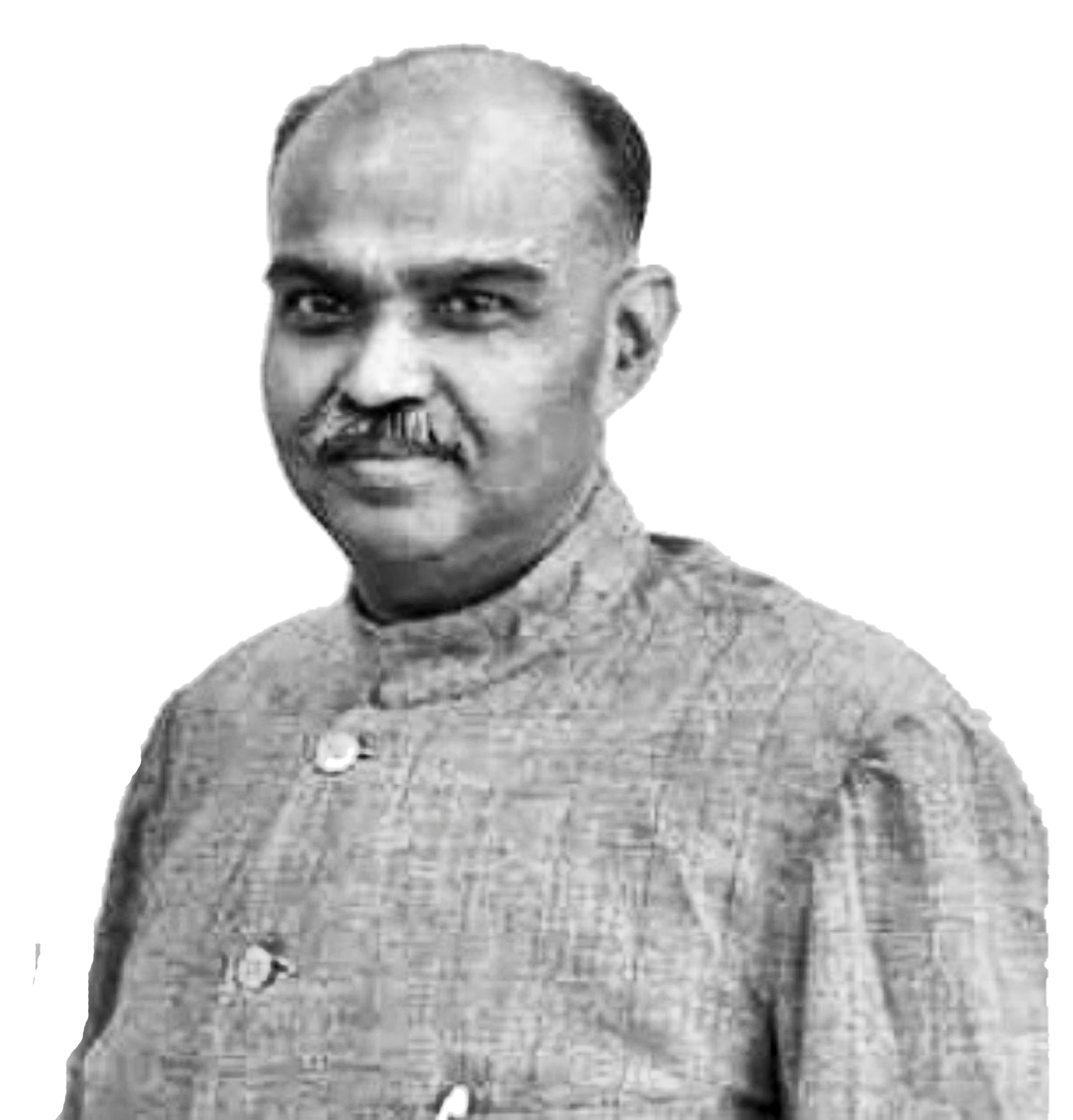
Dr. Syama Prasad Mukherjee
Founder of Bharatiya Jana Sangh
Dr. Syama Prasad Mookerjee was martyred for the cause of integrating Kashmir with the rest of India. He was detained for 45 days for violating Article 370, which required Indians to seek a permit to enter Kashmir.
His death in prison shook the country and the Permit System was ended.
A slogan of the period was: “Nahi Chalengey ek desh mein do Vidhan, do pradhan aur do nishan”
A Brief Life-Sketch
Dr. Syama Prasad Mookerjee (1901–1953), a visionary educationist, scholar, and statesman from Kolkata, is revered as an important figure in the ideological history of the Bharatiya Jana Sangh and the BJP.
Born into a distinguished family, his father Sir Ashutosh Mookerjee was a renowned jurist and Vice-Chancellor of Calcutta University. Syama Prasad served as the youngest Vice-Chancellor of Calcutta University from 1934 to 1938.
During his tenure, he promoted Indianised reforms, mother-tongue education and national values.
Political Journey
Youngest Vice-Chancellor
Became the youngest Vice-Chancellor of Calcutta University and promoted reforms in education and academic life.
Finance Minister of Bengal
Entered active politics and served as Finance Minister of Bengal in the Progressive Coalition Ministry.
Service During Bengal Famine
Played a role in relief efforts during the devastating Bengal Famine of 1943.
Bengal & National Politics
Took a prominent position in the political movement surrounding the partition of Bengal and the future of the region.
Bharatiya Jana Sangh
Founded the Bharatiya Jana Sangh on 21 October 1951 in Delhi and became its first President.
Kashmir Satyagraha
Travelled to Kashmir in protest against the permit system and was subsequently detained.
Major Contributions
Education & Academic Reform
Promoted Indianised education, mother-tongue learning and national values during his academic leadership.
National Political Leadership
Became an important political voice in Bengal and contributed to debates on national unity and India's future.
Bharatiya Jana Sangh
Founded the Bharatiya Jana Sangh in 1951 and became its first President, creating an important organisational platform.
National Integration
His political life became closely associated with his advocacy of national unity and integration.
His Contribution to Bengal
His most enduring contribution to Bengal was his active role in the political movement surrounding the partition of Bengal in 1947.
He advocated for Hindu-majority areas, including Calcutta, to remain with India and opposed proposals that he believed would leave Bengali Hindus vulnerable.
His political activities during this period made him one of the prominent public figures in the political history of Bengal.
Bharatiya Jana Sangh
In consultation with RSS leader M.S. Golwalkar, he founded the Bharatiya Jana Sangh on 21 October 1951 in Delhi.
He became the organisation's first President and helped establish an early political platform centred on national unity, cultural identity and public service.
The Bharatiya Jana Sangh later became an important part of the political history from which the Bharatiya Janata Party emerged.
Kashmir Satyagraha
Stand for National Integration
1953Mookerjee travelled to Kashmir in 1953 in protest against the permit system and the special constitutional arrangement then associated with the region. He was detained and died in custody in June 1953.
A Lasting Legacy
Though Mookerjee passed away in 1953 under controversial circumstances while leading the Kashmir Satyagraha, his legacy continued to influence the political movement associated with the Bharatiya Jana Sangh.
He inspired generations of political workers and became an important figure in the ideological history of the organisation that preceded the BJP.
His contribution to education, public life, Bengal and national politics continues to be remembered in the political history of India.
A Legacy of Service & National Commitment
Dr. Syama Prasad Mukherjee remains an important historical figure associated with education, public service, Bengal and the early development of the Bharatiya Jana Sangh. His life continues to be remembered as part of the political and organisational heritage of the BJP.